Magic Rock Recovery
Business Plan
Business Plan
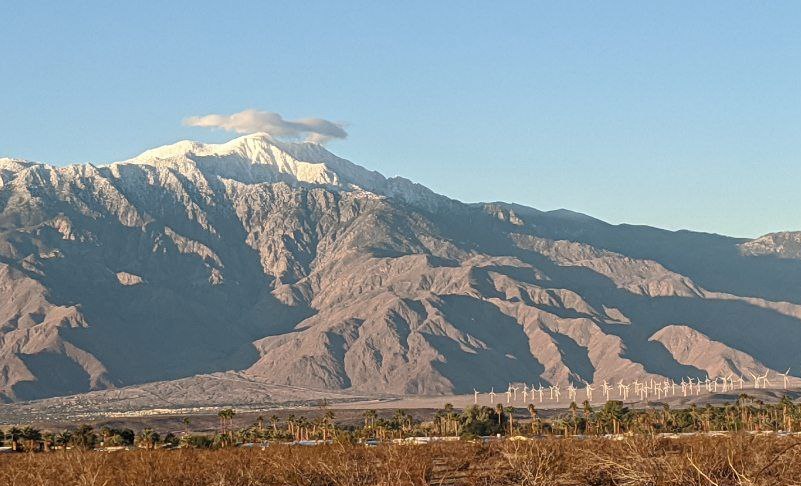
Magic Rock Recovery is being organized as a California nonprofit public benefit corporation. Its purpose is to build and run a nature-based addiction recovery center on a 35-acre campus in the Palm Springs area, CA. Care centers on a 12-Step program, supported by evidence-based therapies and job skills training.
The center is designed for 100 beds: 30 private-paying, 40 state/federally funded, and 30 pro bono, so 30 percent of beds are free to those who cannot pay. The campus features a 1-acre meditative labyrinth, a 3-acre biofiltered pond, 150 native trees, and residential, dining, fitness, yoga and therapy spaces.
Magic Rock Recovery is led by founder Hans Brost. A volunteer board of directors is being recruited, and key staff positions, including a General Manager, Funding Manager, Medical Director and Director of Clinical Services, will be filled as funding and construction progress.
Where things stand: the nonprofit is being formed, the land has not been purchased, and the center is not open. Section "Timeline" lists the steps in order.
To provide transformative, nature-based addiction recovery services that heal the whole person through evidence-based treatment, compassionate care, and programming open to people regardless of their financial circumstances.
To become a leading destination for holistic addiction recovery in Southern California, known for its treatment approach, its natural setting, and its commitment to making recovery accessible.
Magic Rock Recovery is being organized as a California nonprofit public benefit corporation. It has no owners or shareholders, and any revenue above operating costs is reinvested in the mission. The corporation will apply to the IRS for recognition as a 501(c)(3) charity (Form 1023) and for California tax exemption (FTB Form 3500A), and will register with the California Attorney General's Registry of Charitable Trusts (Form CT-1). Tax-exempt status has not yet been granted.
Governance: A volunteer Board of Directors of at least three unrelated people will oversee the CEO and approve the budget. No more than 49 percent of the board can be paid staff or their close family (California Corporations Code 5227). Any dealings with businesses owned by the founder require a written agreement and board approval.
Most people who need addiction treatment do not get it. In 2024, about 10.2 million people classified as needing substance use treatment received it, nearly 1 in 5 of those who needed it (SAMHSA 2024 National Survey on Drug Use and Health, as reported by Becker's Behavioral Health). Magic Rock Recovery is designed to close part of that gap, with one third of its beds free to those who cannot pay.
Adults from Southern California, Arizona and Nevada seeking private, comprehensive care. Rate: $15,000 per month.
Adults referred through Medicaid, county behavioral health, state programs and the courts, mainly from Riverside, San Bernardino and Imperial Counties. Planned rate: $24,000 - $48,000 per bed per year, to be confirmed with contracts.
Low-income and uninsured adults, mainly from the Coachella Valley, selected by financial need and readiness for treatment. Fully subsidized by private revenue, grants and donations.
Families (family programs), alumni (ongoing support), and referring healthcare, legal and employer assistance professionals.
| Feature | Magic Rock Recovery | Hazelden Betty Ford (Rancho Mirage) | Malibu centers (e.g., Promises) |
|---|---|---|---|
| Location | Palm Springs area, CA (35 acres) | Rancho Mirage, CA (15-20 acres) | Malibu, CA (5-10 acres) |
| Capacity | 100 beds | About 100 clients | 20-40 clients |
| Pricing | $15,000/month (private), $24,000-$48,000/year (funded), 30 beds pro bono | $12,000-$18,000/month (private), insurance options | $25,000-$60,000/month (private) |
| Therapies | 12-Step, CBT, NLP, DBT, mindfulness, counseling | 12-Step, CBT, family therapy, mindfulness | 12-Step, CBT, holistic (yoga, equine therapy) |
| Unique features | Labyrinth, pond, 150 trees, job skills training, pro bono focus | National reputation, comprehensive aftercare | Oceanfront, luxury amenities |
| Accessibility | 30% of beds pro bono, state/federal funding | Some scholarships, insurance-based | Private-pay focus, limited pro bono |
Note: Competitor data are estimates based on industry norms. Costs and features can vary and are to be verified before this plan is used for decisions.
The plan includes partnering with local employers who recruit graduates. Electrical work, carpentry and other trades can be added as the center grows.
Hans Brost is a business owner with 24 years of experience and the founder of Cabo FTL Systems LC. He leads Magic Rock Recovery. His responsibilities include strategic planning, partnerships, financial oversight, donor relations, regulatory compliance and grant writing, until staff are hired.
A volunteer board of at least three unrelated directors will govern the nonprofit. The board will elect officers, approve the budget, and oversee the CEO. Seats are being recruited, including Board Chair, Treasurer (CPA) and a nonprofit attorney.
A licensed clinician (LCSW, LMFT, LPCC or licensed psychologist) with addiction counseling certification and at least 7 years of addiction treatment experience. The Director oversees all clinical programming, staff supervision, treatment planning, quality assurance and clinical compliance. Recruitment begins during construction.
As funding and construction progress, these positions will be filled:
After construction, the operating budget plans for 15-25 full-time staff, including therapists, counselors, medical staff, groundskeepers and administration.
The 35-acre campus in the Palm Springs area, CA, will clear about 3 acres for buildings and leave most of the land as untouched natural desert.
Planned additions not yet costed: a telescope observatory with a Zambuto 12.5-inch mirror, and natural hot mineral water springs. These are not included in the cost estimates below.
The first step is purchasing a 35-acre parcel in the Palm Springs area, CA, estimated at $1,000,000. Costs below are planning estimates. Vendor quotes and architectural plans are needed for precision.
| Item | Cost Estimate | Timeline | Annual Maintenance |
|---|---|---|---|
| Land Purchase (35 Acres) | $1,000,000 | 3-6 months | N/A |
| Land Clearing (~3 Acres) | $6,000-$15,000 | 1-2 weeks | N/A |
| Architecture/Plan Selection | $50,000-$100,000 | 2-4 months | N/A |
| Permits and Environmental Compliance | $50,000-$150,000 | 3-12 months | N/A |
| Private Cabins (30) | $1,875,000 | 9-12 months | $50,000-$75,000 |
| Double Occupancy Rooms (35) | $4,200,000 | 12-18 months | $100,000-$150,000 |
| Kitchen | $900,000 | 6-9 months | $20,000-$30,000 |
| Dining Hall | $910,000 | 6-9 months | $20,000-$30,000 |
| Common Areas | $900,000 | 6-9 months | $20,000-$30,000 |
| Yoga Studio | $375,000 | 4-6 months | $10,000-$15,000 |
| Offices | $300,000 | 4-6 months | $5,000-$10,000 |
| Workshops (3: Wood, Metal, Other) | $1,050,000 | 6-9 months | $20,000-$30,000 |
| Pool | $180,000 | 3-6 months | $10,000-$15,000 |
| Circulation/Unusable Space | $813,000 | 12-18 months | $15,000-$25,000 |
| Meditative Path (1 Acre) | $80,000-$120,000 | 3-6 months | $5,000-$10,000 |
| Pond (3 Acres) | $100,000-$200,000 | 4-8 months | $8,000-$15,000 |
| Trees (150) | $30,000-$90,000 | 1-3 months | $5,000-$10,000 |
| Total (including land) | $12,819,000-$13,178,000 | Overlapping phases | $288,000-$445,000 |
| Category | Amount |
|---|---|
| Land and construction (above) | $12,819,000 - $13,178,000 |
| Pre-opening expenses (DHCS license application, hiring, staff training, marketing) | $500,000 |
| Working capital, first year | $800,000 |
| Total capital needed | $14,119,000 - $14,478,000 |
| Source | Beds | Rate | Annual Revenue |
|---|---|---|---|
| Private-paying clients | 30 | $15,000/month ($180,000/year) | $5,400,000 |
| State/federally funded clients | 40 | $24,000-$48,000/year | $960,000-$1,920,000 |
| Pro bono clients | 30 | No charge | $0 |
| Grants (target) | - | Various sources | $150,000-$300,000 |
| Alumni and community programs | - | Fees and donations | $25,000-$50,000 |
| Total annual revenue | 100 | $6,535,000-$7,670,000 |
Note: Revenue assumes every bed is full all year. State/federal funding rates are to be confirmed with contracts. Capital donations for land and construction are separate and are not counted here.
| Category | Low | High | Notes |
|---|---|---|---|
| Staff salaries and benefits | $800,000 | $1,400,000 | 15-25 full-time positions |
| Facility maintenance | $288,000 | $445,000 | From the construction table |
| Utilities and communications | $60,000 | $100,000 | Electric, water, internet, phone |
| Insurance and legal | $120,000 | $200,000 | Liability, property, professional |
| Food and nutrition | $180,000 | $250,000 | Meals for 100 residents |
| Medical and clinical supplies | $50,000 | $100,000 | Therapy and medical supplies |
| Marketing and outreach | $75,000 | $150,000 | Referral programs, digital outreach |
| Professional development | $25,000 | $50,000 | Training and certifications |
| Administrative | $60,000 | $120,000 | Accounting, software, office |
| DHCS licensing fees | $23,350 | $23,350 | $467 per bed every two years, 100 beds (FY 2024-25 rate) |
| Total operating costs | $1,681,350 | $2,838,350 |
Magic Rock Recovery will raise the capital needed to buy the land and build the campus from donors, grants and loans. The mix below is a target based on the low capital estimate of $14,119,000. It is a plan, not a commitment from any funder.
| Source | Target Share | Approximate Amount |
|---|---|---|
| Gifts and major donors, including a capital campaign | 40% | $5.6 million |
| Loans repaid from operations | 50% | $7.1 million |
| Grants | 10% | $1.4 million |
Requirements below were checked against DHCS and federal sources on October 20, 2026. Fees and rules change, so each is confirmed again when an application is filed.
| Position | License / Certification | Issuing Body |
|---|---|---|
| Director of Clinical Services | LCSW, LMFT, LPCC or licensed psychologist, plus addiction counseling certification | California Board of Behavioral Sciences or Board of Psychology, and a DHCS-approved certifying organization |
| Clinical therapists | LMFT, LCSW or equivalent | California Board of Behavioral Sciences |
| Addiction counselors | Certified by a DHCS-approved certifying organization. DHCS's list (updated April 2026) names CAADE, CADTP and CCAPP. Check the list before hiring, since approvals change. | DHCS-approved certifying organization |
| Medical Director | MD with addiction medicine board certification | Medical Board of California |
Risk: The nonprofit is not yet formed, tax-exempt status is not yet granted, and the land is not yet purchased.
Mitigation: Seat the board, file the nonprofit paperwork, and secure a purchase option on a specific parcel before large fundraising.
Risk: Costs can run 15-25 percent over estimates because of materials, labor or site conditions.
Mitigation: A 20 percent contingency fund, fixed-price contracts where possible, multiple vendor quotes and an experienced project manager. The capital estimate above does not yet include that contingency.
Risk: Lower occupancy or delayed state/federal contracts. At 80 percent occupancy, bed revenue falls by roughly $1.27 million to $1.46 million per year.
Mitigation: Diversified revenue, pre-opening referral partnerships, and reserves built from operating surplus.
Risk: Difficulty recruiting qualified clinical staff.
Mitigation: Competitive pay, professional development, early recruitment and partnerships with local universities.
Risk: Licensing delays or unexpected requirements.
Mitigation: Early contact with regulators, legal counsel once funded, a compliance role and regular audits.
Risk: New or expanded competing centers.
Mitigation: A distinct mission and setting, strong community relationships and outcomes tracking.
Magic Rock Recovery is seeking volunteers for: Project Manager, Nonprofit Attorney, CPA / Treasurer, Board Chair / President, Fundraising Lead, Communications / Social Media, Counselor / Advisor, and General Volunteer. Please use the contact details below.
Hans Brost
1717 E Vista Chino, Ste A7-584
Palm Springs, CA 92262
Phone: (760) 702-2009
Email: Hans@MagicRock.org